History
From Past to Present: McNair Park & Lower Lonsdale
McNair Park is more than a place to live, it’s part of a living narrative that stretches back long before the first homes were built. For generations before, the Sḵwx̱wú7mesh (Squamish) and səlilwətaɬ (Tsleil-Waututh) Nations people fished, gathered, and cared for these shores.
Early Settlers, Moodyville & the Sawmill Roots
In the 1860s, European settlement began in earnest with the creation of Moodyville, the first non-Indigenous mill community at the inlet. Sewell Prescott Moody and his partners operated one of the region’s early sawmills, and Moodyville grew to include homes, a hotel, a school, and basic infrastructure. Over time, as forests were logged out and industrial pressures grew, that settlement evolved and gradually merged into the expanding City of North Vancouver.
The Rise of the Shipyards
By 1906, at the foot of Lonsdale, the Wallace Shipyard was established, growing into one of Western Canada’s most vital shipbuilding operations. Renamed Burrard Dry Dock in 1921, the yard employed thousands during World War II, building and repairing warships, including Canada’s “Victory Ships.” At its wartime height, over 14,000 men and women worked on shifts that ran around the clock. The shipyards and related repair works (like North Van Ship Repair) anchored the waterfront and shaped much of the neighbourhood’s identity.
As heavy industry declined in the late 20th century, parts of the shipyard closed (with Versatile Pacific Shipyards shutting in 1992) and the waterfront lay underused for years. In recent decades, the City and community have reimagined the Shipyards site as a vibrant waterfront district, preserving heritage piers and buildings alongside parks, public gathering spaces, cafés, arts venues, and residences.
The McNair House — an Edwardian Landmark
James Archibald McNair, who was born at Jacquet River, New Brunswick, in 1865, came to British Columbia with his two brothers to seek their for tunes. In 1892, McNair was employed as the Ferry Commissioner for North Vancouver. He was also a partner in the McNair Fraser Lumber Company, which had extensive holdings on the North Shore. James McNair was a prominent lumberman, manufacturer, and one of the region’s so-called “shingle kings.”
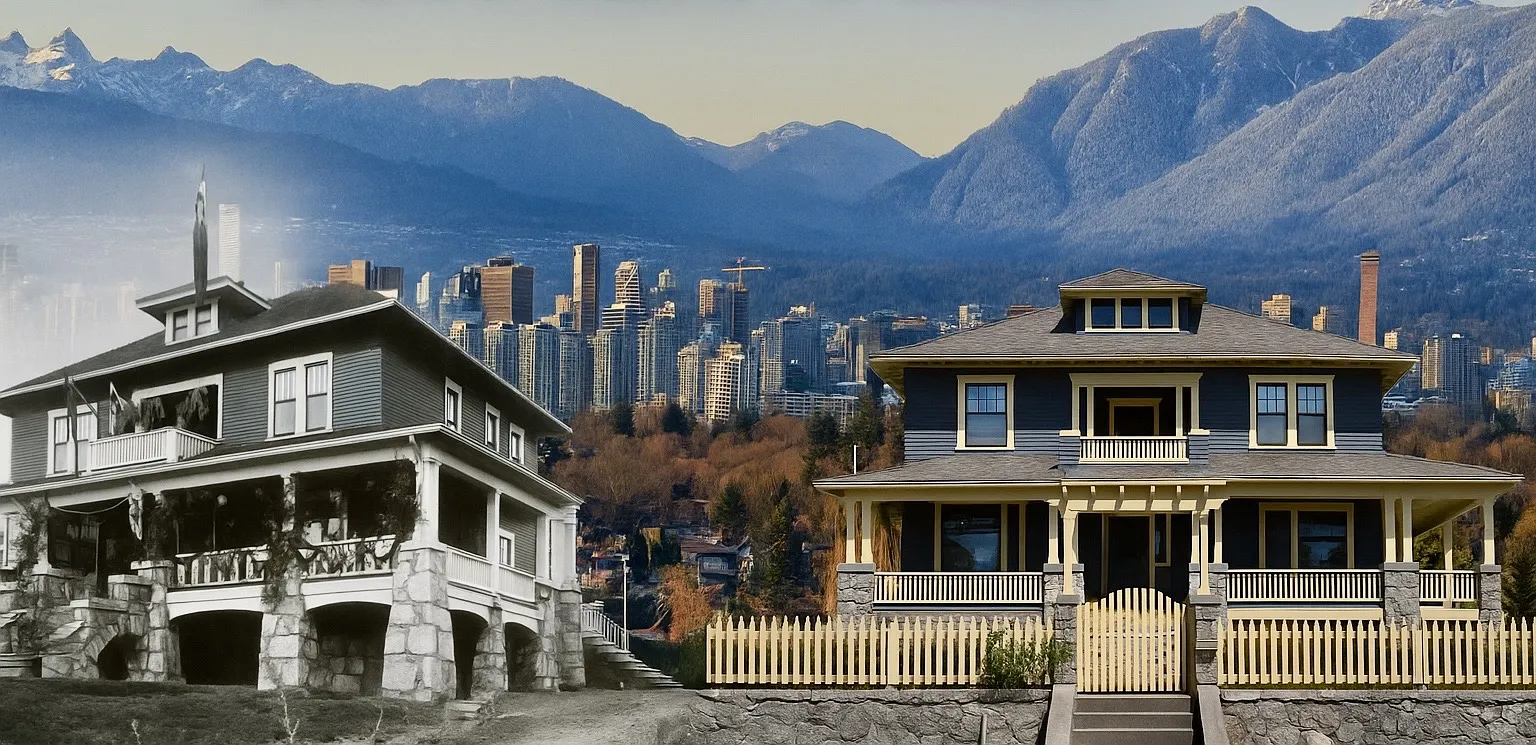
In 1907, he commissioned the McNair Residence at 256 East 6th Street. The home is a classic Edwardian-era foursquare estate, complete with wide verandahs, fine wood detailing, and a commanding presence designed to capture sweeping views of Burrard Inlet and the North Shore mountains. Many of the wood mouldings, casings, banisters, newels, verandah posts, and spindles, both inside and outside the home were stock items supplied from the McNairs' Vancouver mill.
Beyond its architectural significance, the house reflects the deep ties between North Vancouver’s growth and the lumber economy that fueled it.
A Legacy Preserved
For decades, the McNair House remained a recognizable landmark as the neighbourhood around it transformed from a lumber and shipbuilding hub into a thriving urban centre. By the early 1990s, heritage advocates and community leaders recognized its cultural value and undertook a careful restoration.
That effort, which secured both legal protection and sensitive redevelopment of the surrounding land, is celebrated as a model of how heritage preservation and housing development can coexist. In 1996, the restoration of this grand house received both a City of North Vancouver Heritage Award and a Heritage B.C. award. It is a Designated Municipal Heritage Site.
McNair House stands as an enduring reminder of North Vancouver’s early days, a period defined by sawmills, shipyards, and pioneering families who built communities such as Moodyville, the North Vancouver Shipyards, and the growing townsites that would eventually form the City of North Vancouver.
The Heart of McNair Park Today
Today, the McNair House is more than a heritage landmark, it is the symbolic heart of McNair Park, the strata community that bears its name. Surrounded by thoughtfully designed residences, the house anchors a neighbourhood that blends history with modern living.
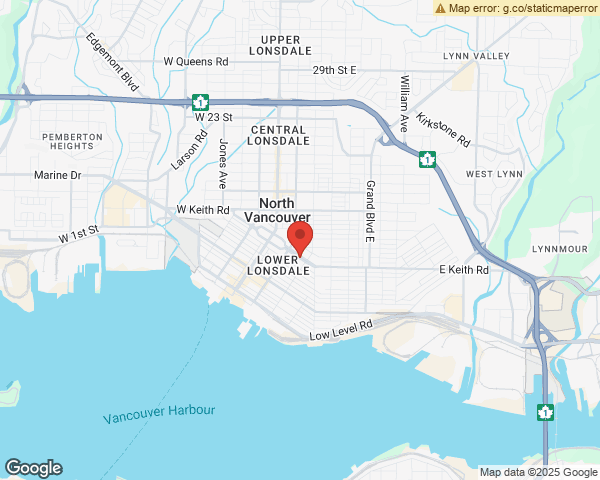
Just a short walk from the Shipyards District and the revitalized Lower Lonsdale waterfront, McNair Park pays tribute to the past while offering its residents all the vibrancy and convenience of contemporary North Vancouver.
Today’s Vibrant Community
Today, McNair Park bridges that rich past with a dynamic present. Nestled between Lower Lonsdale and the waterfront Shipyards District, residents enjoy the tranquility of heritage surroundings while being steps from cafés, shops, the Lonsdale Quay, and public transit.
The streets hum with life: people strolling the boardwalks, families at festivals, and new architecture rising gently among preserved relics. This layered history, from Indigenous stewardship, to mills and shipyards, to the restoration of the McNair Residence, gives this place its unique character. Every day, residents and visitors write the next chapters.